
Anne Rice first published Interview With The Vampire in 1976 and it was the first in a series of books that would form The Vampire Chronicles featuring Lestat de Lioncourt, a French nobleman turned vampire in the 18th century. Anne Rice was born in New Orleans in 1941 and many of her books would be set there. She owned several buildings in the city over the years, particularly in the Garden District, and many would feature in her novels alongside other historical places.
2301 St. Charles Avenue
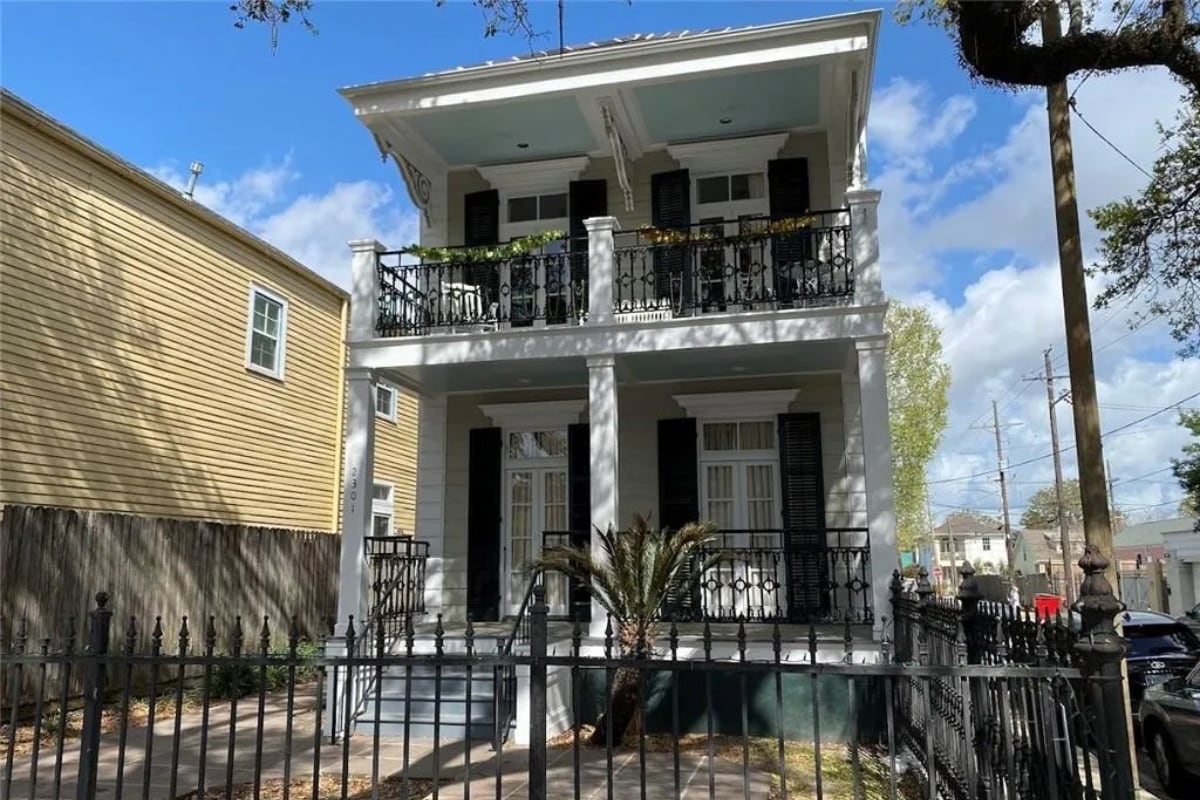
Anne and her sisters grew up in the home of their maternal grandmother, Alice Allen, who had been forced to make a new life for herself after separating from her alcoholic husband. Mamma Allen had a strong influence over her granddaughters who were becoming increasingly distant from their mother who was fighting her own battle with alcoholism. After Alice’s death in 1949, Anne’s family remained in the house until moving to a new home in 1956.
2524 St. Charles Avenue
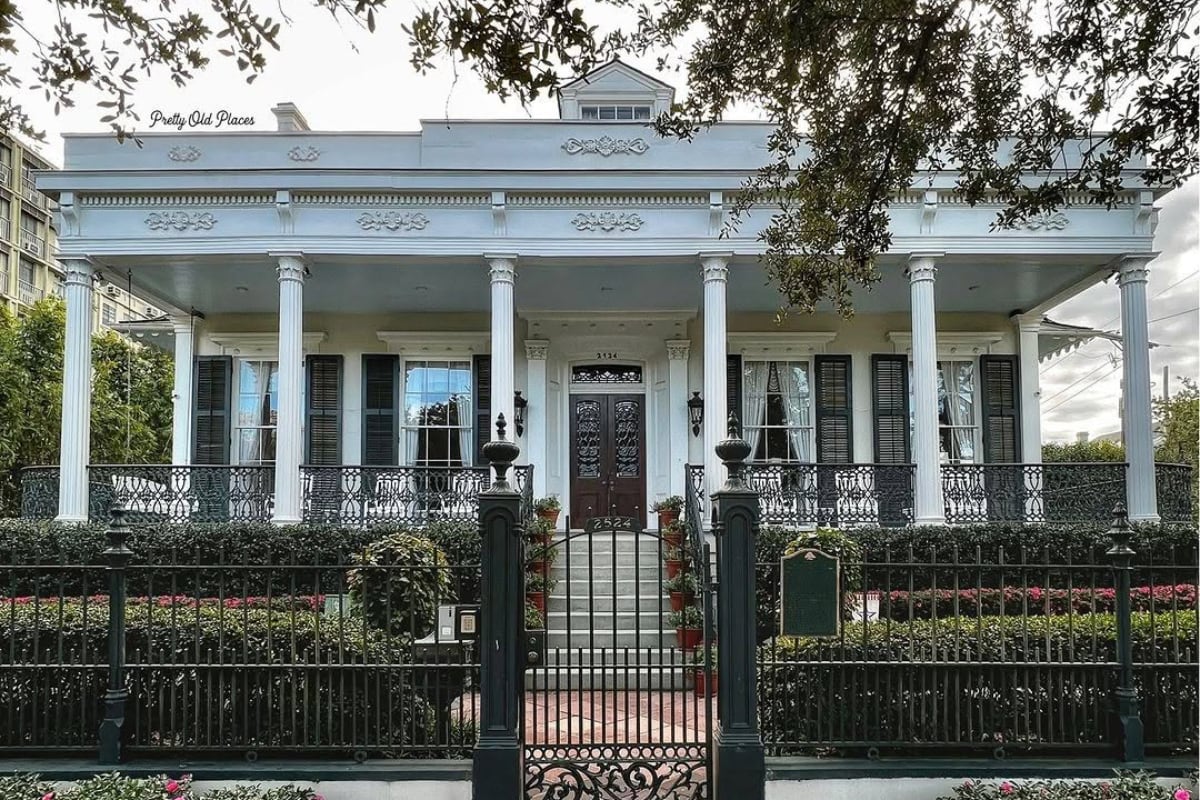
Anne and her sisters moved into 2524 St. Charles Avenue, a former rectory and convent owned by the parish, so they could be closer to the church which was supporting their mother, Katherine, through her addiction. After Katherine’s death in 1957, Anne’s father married for a second time and moved they all moved to Texas. The house at 2524 Charles Avenue would later become the venue for the Rice family’s annual Mardi Gras parties.
1239 First Street
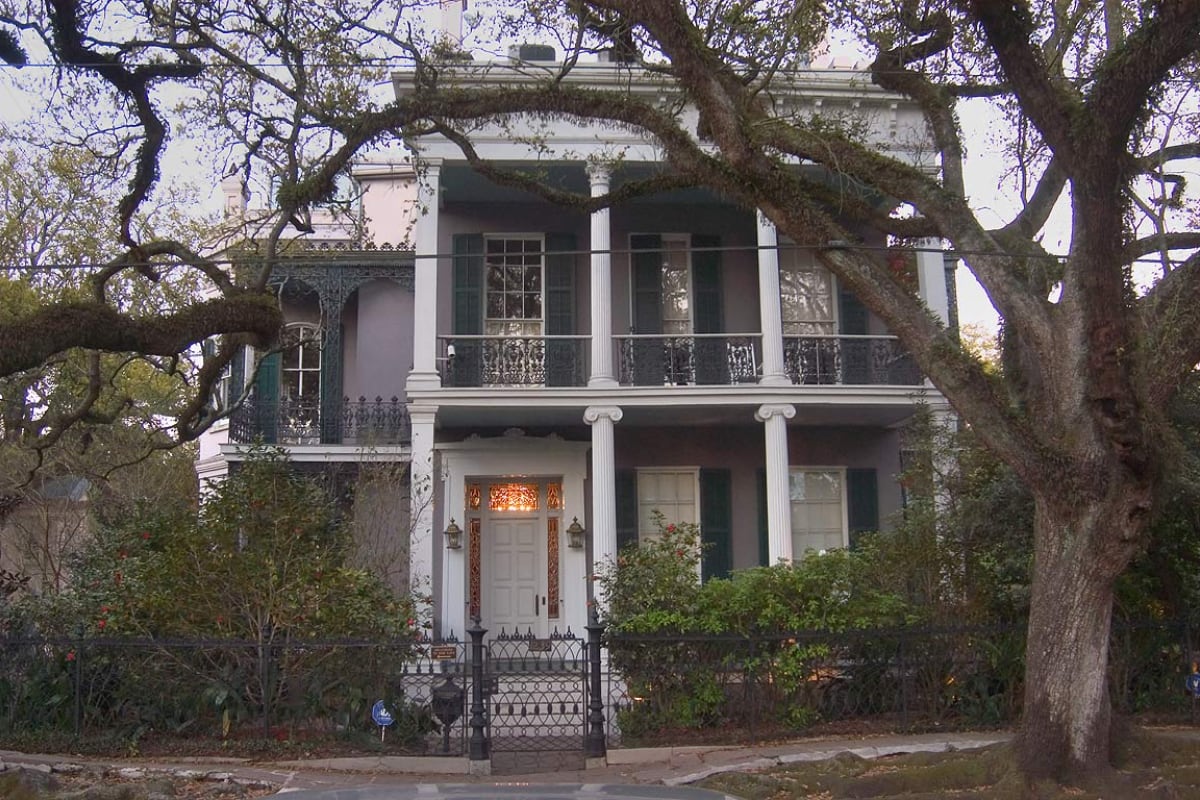
The Brevard-Rice House at 1239 First Street was purchased by Anne Rice in 1989 and she lived there with her husband, Stan Rice, until his death in 2002. The house was built in 1852 for a wealthy merchant, Albert Hamilton Brevard, in the Greek Revival and Italianate style. The house would serve as inspiration for the home of the Mayfair witches in The Witching Hour.
1314 Napoleon Avenue
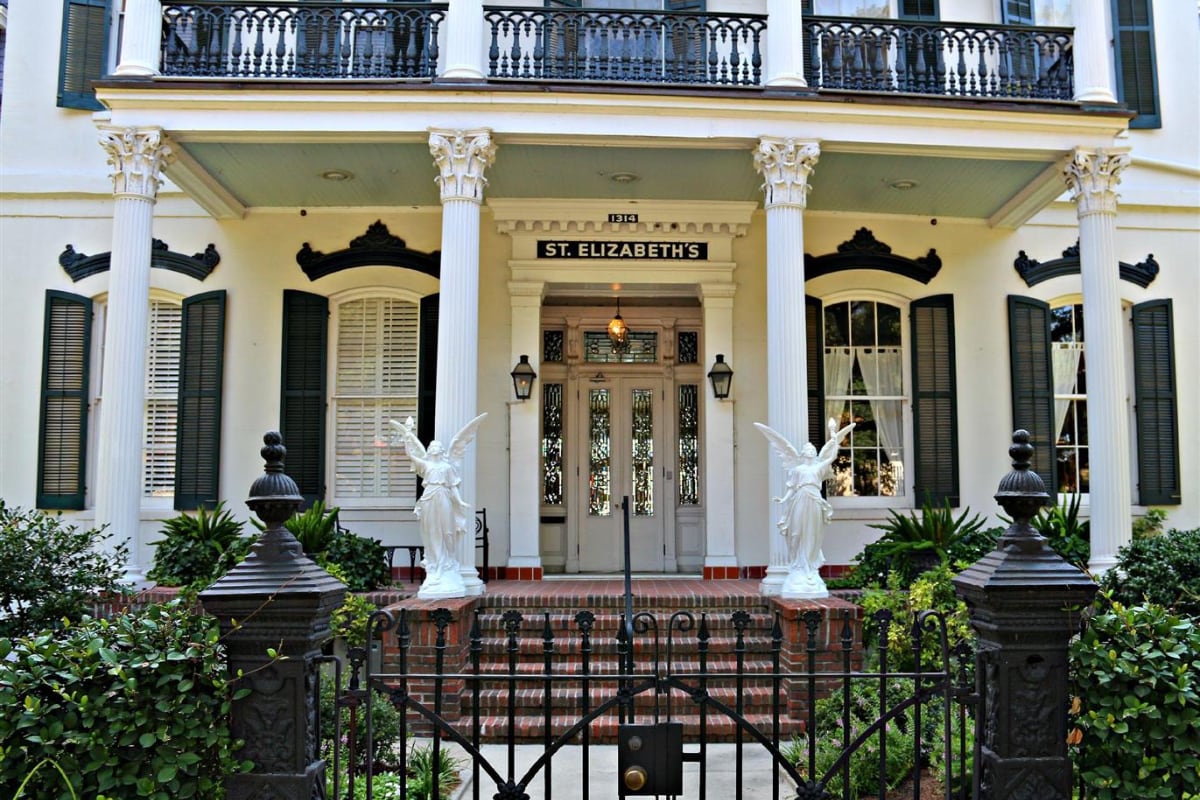
Anne Rice purchased the building in 1993 and remodelled it to include a large ballroom, a writing studio and a painting studio. The house was opened to the public as a museum to hold Anne Rice’s immense doll collection and her husband’s paintings. The building was also used for one of the famous Vampire Lestat Halloween balls. The building was mentioned in The Vampire Chronicles and the Lives of the Mayfair Witches trilogy. Founded by the Daughters of Charity of St. Vincent de Paul as a vocational home and school for orphaned girls, it was known as St Elizabeth’s Orphanage.
3711 St. Charles Avenue
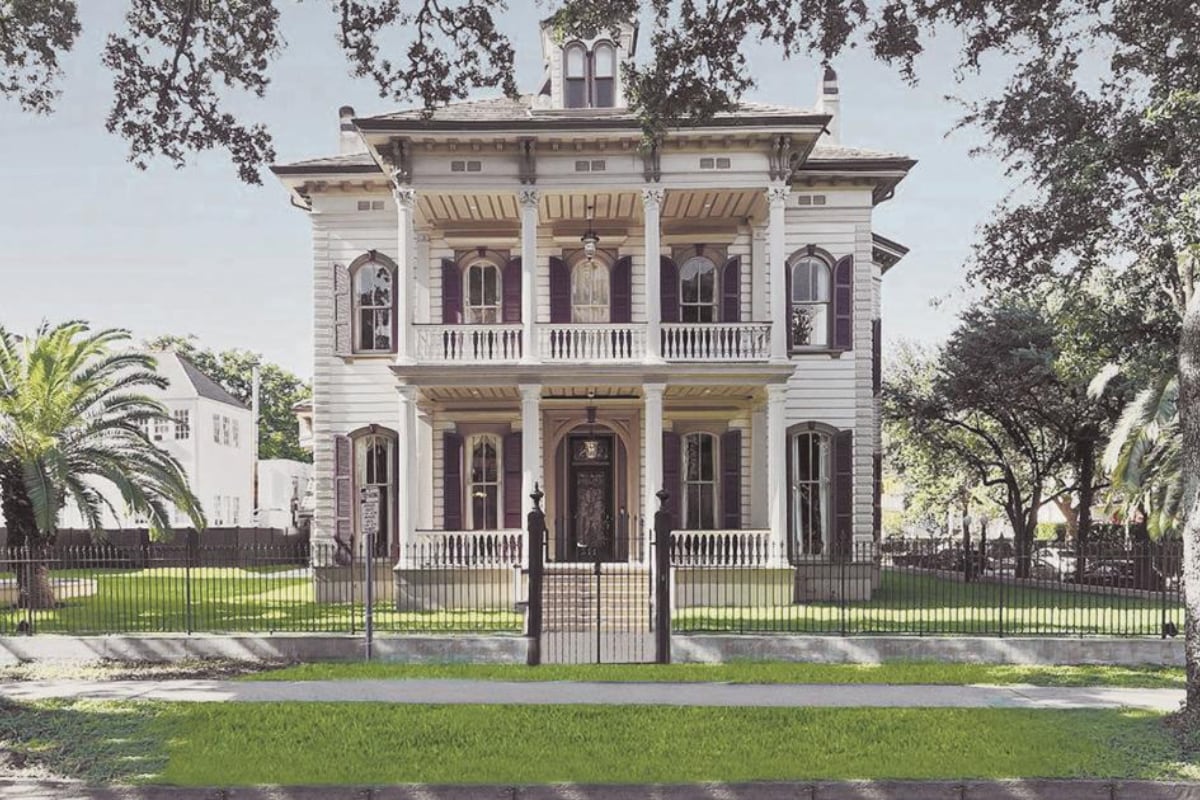
Anne Rice purchased this historical Victorian mansion in the Garden District in the 1990s and it was features as the fictional childhood home of Mona Mayfair in the Lives of the Mayfair Witches. The house was designed by the famed local architect William Fitzner in the 1880s in the Queen Anne-style. The house has 14-foot ceilings, a grand mahogany and cypress staircase, and restored 1880s stained-glass windows.
1132 Royal Street
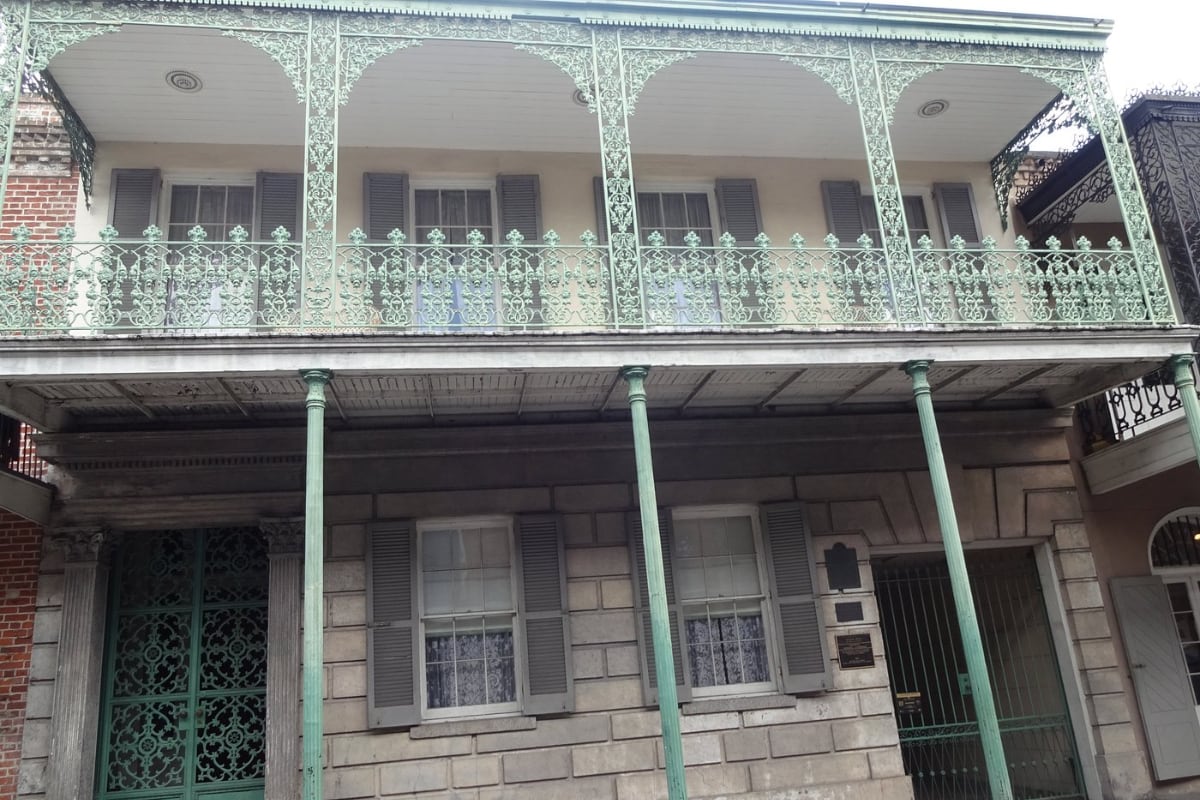
The Gallier House at 1132 Royal Street was built by James Gallier Jr in 1861 and is now a museum. It served as the inspiration for the home of the vampires Lestat, Louis, and Claudia in Interview With The Vampire. The house, with its distinctive green railings, and the courtyard were also used for the television series of the same name.
1403 Washington Avenue
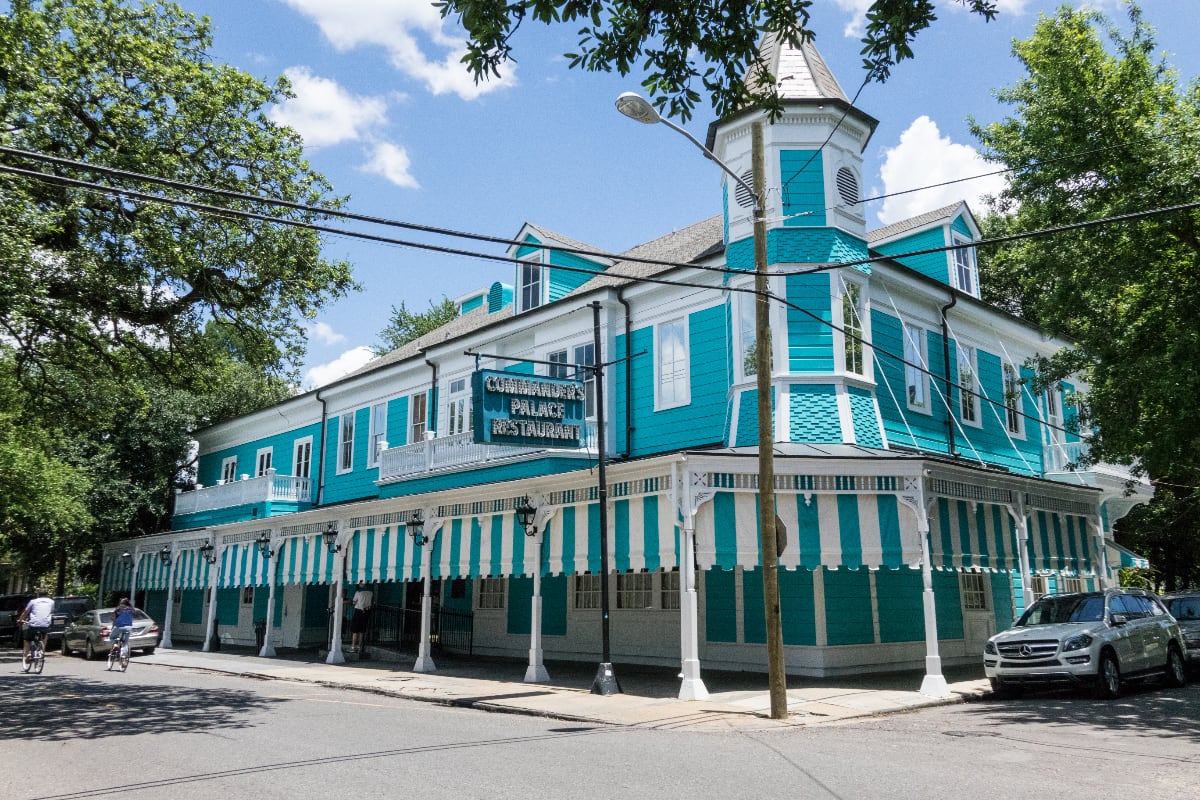
Commander’s Palace at 1403 Washington Ave s a legendary restaurant in the historic Garden District of New Orleans. Established in 1893, the iconic turquoise-and-white mansion has been the crown jewel of upscale Creole cuisine for well over a century and is a favourite of the Mayfair family.
Lafayette No. 1
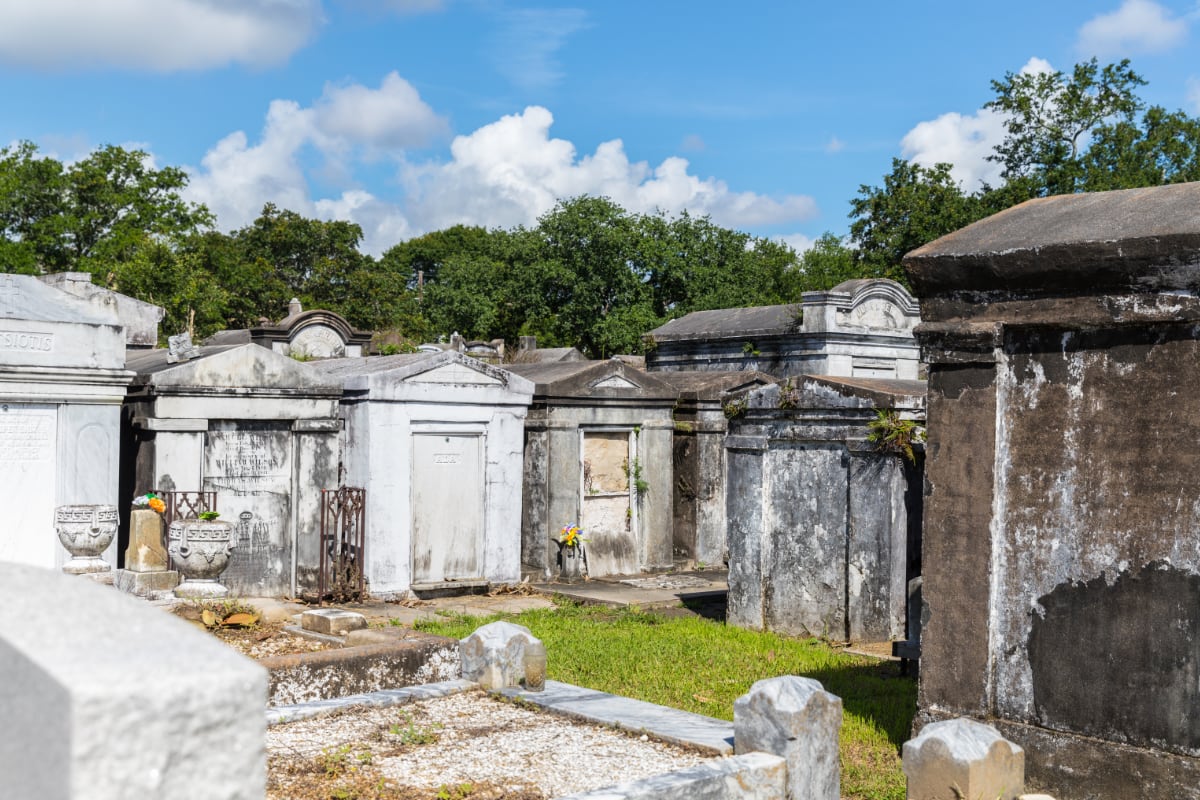
Lafayette Cemetery No. 1 is an historic above-ground cemetery in the Garden District of New Orleans which features heavily in Interview With The Vampire and is the burial place for the Mayfair family from Lives of the Mayfair Witches. The cemetery was established in 1833 in the former city of Lafayette, which was later annexed by New Orleans, and was the city’s first planned cemetery. The cemetery has several mausoleums and tombs considered to be of architectural importance but many were damaged during Hurricane Katrina in 1996. The City of New Orleans closed the cemetery to visitors in September 2019.